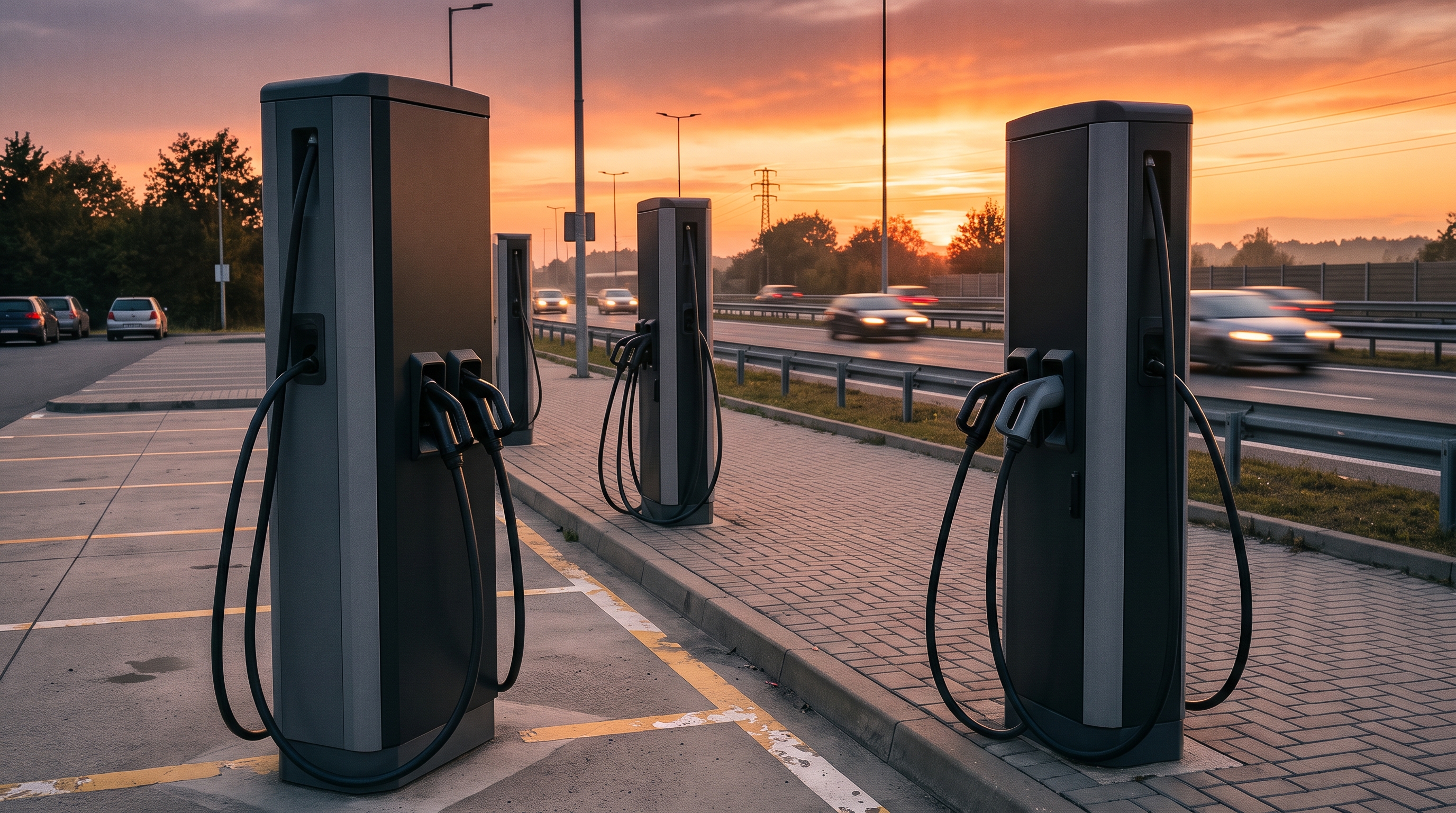
A Boom in Charging Consumption: Charging Sessions Nearly Doubled in the First Half of 2026
EPDK data shows that charging sessions in Türkiye nearly doubled in the first half of 2026. So what does this surge mean for drivers in terms of queues and occupancy risk?
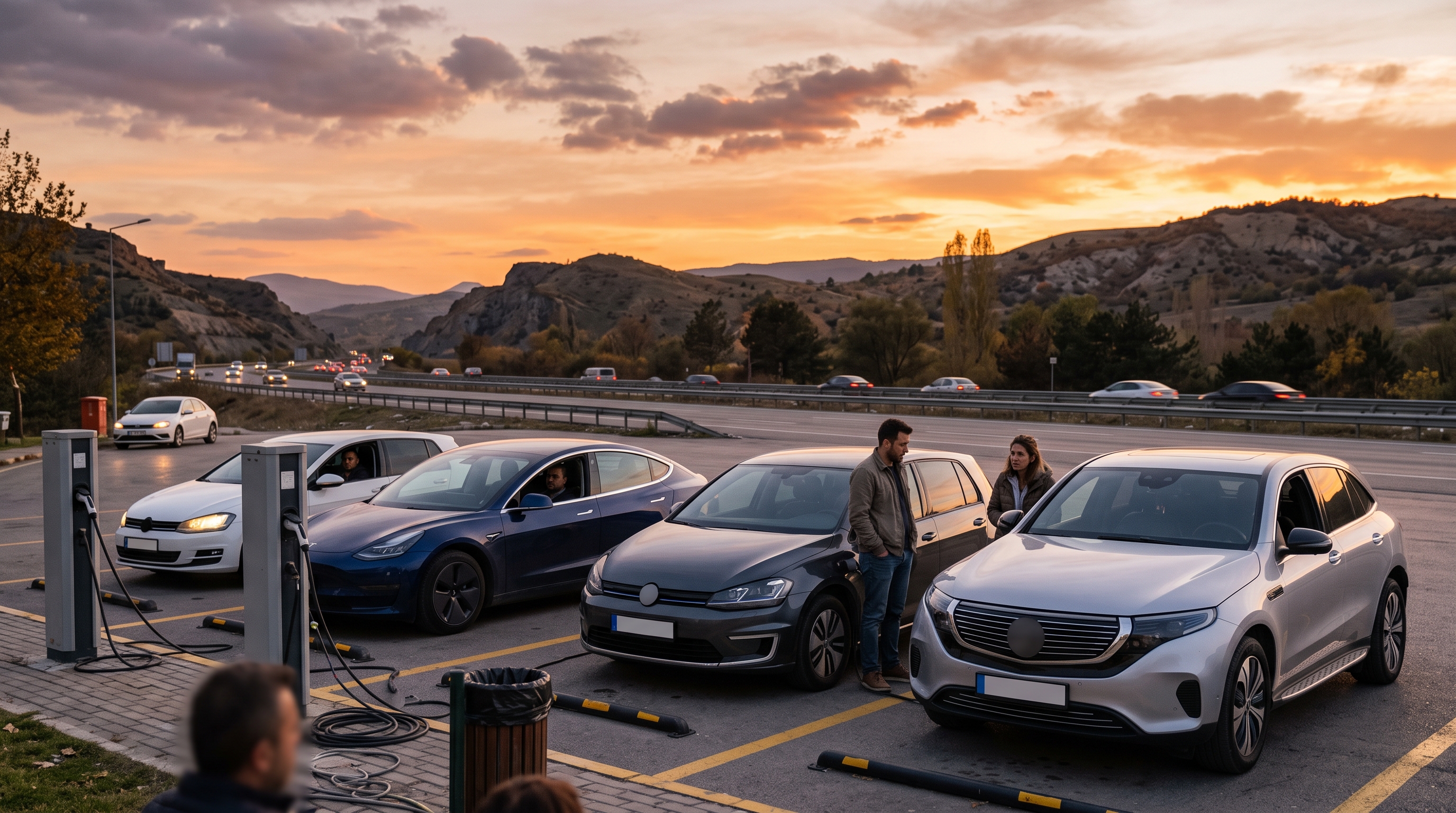
According to data EPDK (Türkiye's energy market regulator) released in September 2026, electric vehicle charging in Türkiye is no longer a marginal habit — it's an ordinary part of daily traffic. The number of charging sessions in the first half of 2026 rose 96.6% year-on-year to reach 15,408,578; in the first half of 2025, that figure was 7,838,168 (Cumhuriyet). Read alongside the rapidly growing fleet, these numbers point to a clear conclusion: demand per station is rising, which means drivers are more likely to run into queues too.
What do the numbers show?
The amount of electricity used for charging grew even faster than the number of sessions: it rose 153.5% from 154,723 megawatt-hours in the first half of 2025 to 392,252 megawatt-hours (Cumhuriyet). Total charging time climbed 137.4%, from 7,400,977 hours to 17,569,444 hours (Cumhuriyet).
Lining up these three numbers reveals an interesting pattern: the session count didn't quite double, but consumption and duration grew even faster than that. In fact, average electricity consumption per session rose from 19.7 kWh to 25.5 kWh, and average charging duration per car rose from 0.94 hours to 1.14 hours (Cumhuriyet). In other words, drivers are now staying plugged in longer and drawing more energy.
What's behind the surge?
The biggest reason behind this demand boom is simple: the number of electric cars on the road is growing fast. Transport Minister Abdulkadir Uraloğlu, speaking at a workshop in Samsun on September 3, 2026, announced that the number of electric vehicles in Türkiye had passed 450,000 as of the first half of 2026, with the number of charging connectors reaching roughly 47,000; the minister also stressed that Türkiye leads Europe in cars per connector (Anadolu Ajansı).
EPDK's July 2026 data confirms this picture: the total number of electric cars reached 464,873, and the total number of charge points reached 46,665 (26,204 AC, 20,461 DC). At the end of 2025, the total car count was 373,733 — meaning hundreds of thousands of new cars joined traffic in just a few months (log.com.tr). In the EPDK table as of the end of the first half of 2026, the total number of charge points stands at 45,660; of these, 19,903 are DC (fast) connectors, 25,731 are AC connectors, and 26 are mobile charging units (Cumhuriyet).
Who stands where in the market?
In the operator ranking by connector count, ZES holds a clear lead; Togg's charging network Trugo follows, and then Voltrun (log.com.tr). Since demand is growing at the same pace as infrastructure, knowing which operator is concentrated where is no longer just a matter of curiosity for drivers.
What this means for Voltbu users
The most critical point here: both connector and car counts are rising, but the car count is growing faster than connectors. Minister Uraloğlu's statement about Türkiye having "the fewest cars per connector in Europe" may be encouraging, but at a time when consumption and duration per session are both rising, it also means the occupancy risk at specific stations during popular hours keeps growing.
This turns route planning and real-time occupancy information from an "extra" into a necessity. Instead of assuming a connector will be free when you arrive at a station, seeing the alternatives along your route, checking occupancy, and lining up a backup spot if needed before you set off is now part of everyday use. That's why it matters to compare multiple stations and build your route around that when planning on Voltbu: as demand keeps growing at this pace, the question isn't "the nearest station," but "the most suitable and available station."
In short, EPDK's data tells a success story — the fleet is growing, infrastructure is expanding, usage is rising. But the same data carries a warning for drivers too: congestion is now a reality you need to factor in.
Sources
Tuğçe Özen
Writes about mobility technology and the electric vehicle ecosystem. Works actively on the Voltbu team.
Comments
You need to sign in to comment.
Sign InNo comments yet. Be the first to write one.